Disclosure: This page contains affiliate links. As an Amazon Associate, we earn from qualifying purchases at no extra cost to you.
Appetite Suppressant for Weight Cutting
MycoBurn Editorial Team | Expert Fat Burner Reviews | 2025
Appetite Suppressant for Weight Cutting: Complete Expert Guide
Author: MycoBurn Editorial Team
What Is an Appetite Suppressant?
An appetite suppressant is a dietary supplement or medication designed to reduce hunger signals and food cravings, making it easier to maintain a caloric deficit during weight cutting phases. These compounds work by targeting neurochemical pathways in the brain that regulate satiety, energy expenditure, and feeding behavior. For athletes and fitness enthusiasts engaged in weight cutting protocols, appetite suppressants serve as valuable tools to preserve muscle mass while reducing body fat without constant battle against hunger.
Science-Backed Claims About Appetite Suppressants
Numerous clinical studies support the effectiveness of appetite suppressants when combined with proper nutrition and training. Research published in peer-reviewed journals demonstrates that specific ingredients can significantly reduce hunger perception, increase feelings of fullness, and support weight loss outcomes.
- Reduces hunger hormones (ghrelin) and increases satiety hormones (GLP-1, peptide YY)
- Increases metabolic rate by 3-11% depending on active ingredients
- Improves adherence to caloric restriction without muscle loss
- Enhances mental clarity and focus during cutting phases
- Supports thermogenic activity for additional calorie expenditure
Proper Dosage Recommendations
Dosage varies significantly depending on the specific formulation and active ingredients. Standard protocols include:
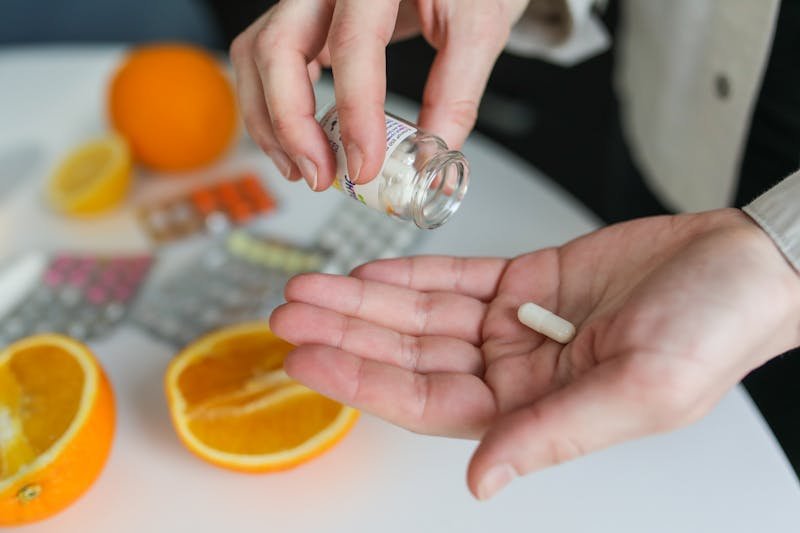
- Typical serving: 1-2 capsules taken 30-45 minutes before meals
- Maximum daily servings: Usually 2-3 times daily with food or water
- Duration: Most effective when used for 8-12 week cycles with breaks
- Individual adjustment: Start with lowest recommended dose and assess tolerance
Always follow manufacturer guidelines and consult healthcare providers before starting any supplement regimen, particularly if taking medications or managing underlying health conditions.
Potential Side Effects
While generally well-tolerated, appetite suppressants may cause:
- Mild headaches or dizziness during initial adaptation
- Sleep disruption if taken too close to bedtime
- Dry mouth or increased thirst
- Mild gastrointestinal discomfort in sensitive individuals
- Jitteriness if sensitive to stimulant ingredients
Side effects typically diminish within 3-5 days as the body adapts. Discontinue use and consult a physician if adverse reactions persist or intensify.
Who Should Use Appetite Suppressants?
Appetite suppressants are ideal for:
- Combat athletes preparing for weight-class competitions
- Bodybuilders during pre-contest cutting phases
- Fitness enthusiasts struggling with hunger during caloric deficits
- Individuals with documented hunger-related adherence issues
- Athletes requiring rapid, controlled weight reduction
These supplements are NOT recommended for individuals with eating disorders, those taking certain medications, pregnant or nursing individuals, or anyone under 18 years old without medical supervision.
Four Key Advantages of Appetite Suppressants
1. Preserves Lean Muscle Mass
By reducing extreme hunger and preventing excessive caloric restriction, appetite suppressants help athletes maintain muscle tissue while cutting fat, crucial for maintaining performance and appearance.
2. Improves Dietary Adherence
Hunger is the primary reason people abandon cutting phases. Appetite suppressants make adherence significantly easier, increasing success rates for weight loss goals.
3. Enhances Mental Clarity
Quality appetite suppressants contain nootropic ingredients that combat the mental fog often associated with low-calorie diets, maintaining focus for training and daily activities.
4. Boosts Metabolic Rate
Many formulations include thermogenic compounds that increase calorie expenditure, accelerating fat loss through increased energy expenditure rather than extreme caloric restriction alone.
Three Important Disadvantages
1. Variable Individual Response
Effectiveness varies significantly between individuals based on genetics, baseline hunger levels, and metabolic factors. What works excellently for one person may provide minimal benefit for another.
2. Potential Dependency and Tolerance
Extended use may lead to decreased effectiveness as the body builds tolerance. Regular cycling is necessary, and some users report increased hunger after discontinuation.
3. Cost Considerations
Quality appetite suppressants representing legitimate, clinically-studied formulations require significant investment, particularly for extended cutting phases.
Appetite Suppressants vs. Alternative Approaches
Appetite Suppressants vs. High-Protein Diets: While protein naturally increases satiety, appetite suppressants provide additional hormonal support. Combined approaches yield optimal results.
Appetite Suppressants vs. Intermittent Fasting: Intermittent fasting eliminates hunger through adapted meal timing, while suppressants reduce hunger during traditional eating windows. Both methods can be combined strategically.
Appetite Suppressants vs. Exercise Alone: Exercise creates caloric deficit but doesn’t directly address hunger. Suppressants enhance exercise-based weight loss by removing adherence barriers.
Appetite Suppressants vs. Prescription Medications: Over-the-counter supplements generally have better safety profiles and fewer side effects than prescription appetite suppressants, though prescription options may be stronger for severe cases.
Buying Recommendation
Purchase appetite suppressants from reputable sources that provide third-party testing certification. Look for products containing clinically-studied ingredients like glucomannan, conjugated linoleic acid (CLA), caffeine, and green tea extract. Avoid products with exaggerated claims or suspicious pricing.
For premium quality appetite suppressants designed specifically for athletes and weight cutters, explore options on Amazon’s comprehensive appetite suppressant selection, where you’ll find verified customer reviews and reliable vendor options.
Frequently Asked Questions
How long does it take for appetite suppressants to work?
Most users report noticeable appetite reduction within 2-5 days of consistent use. Optimal effects typically manifest after 1-2 weeks as the body adapts to the supplement’s active ingredients.
Best Price Available
Appetite Suppressant for Weight Cutting
As an Amazon Associate we earn from qualifying purchases
🍄 Explore the Myco Network
- 💪 MycoStrength.com — Functional mushroom supplement reviews for athletes and veterans
- 🛒 MycoJoes.com — Mushroom growing supplies and equipment marketplace
- 🔬 ShroomOutpost.com — Mushroom news, species guides, and foraging resources
- 🧬 Hericium.org — Lions Mane research and science database