Disclosure: This page contains affiliate links. As an Amazon Associate, we earn from qualifying purchases at no extra cost to you.
Pilates for Fat Loss: Core and Lean Body
MycoBurn Editorial Team | Expert Fat Burner Reviews | 2025
Pilates for Fat Loss: Core and Lean Body
Author: MycoBurn Editorial Team
What is Pilates?
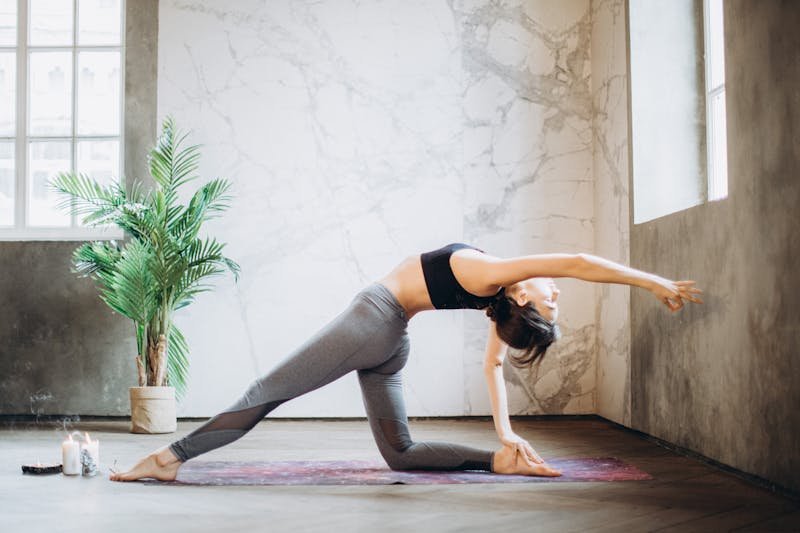
Pilates is a low-impact exercise method developed in the early 20th century that focuses on controlled movements, breathing techniques, and core engagement. The practice emphasizes precision, flow, and mind-body connection through a series of targeted exercises performed on a mat or specialized equipment. Unlike high-intensity cardio workouts, pilates builds lean muscle mass through resistance and isometric contractions, making it an effective approach for fat loss when combined with proper nutrition.
Science-Backed Claims for Fat Loss
Research published in the Journal of Sports Medicine and Physical Fitness demonstrates that pilates effectively increases metabolic rate and promotes fat loss. Studies show that regular pilates practice increases muscle density, which elevates resting metabolic rate—meaning your body burns more calories even at rest. A 12-week pilates program can increase core strength by 30% while reducing body fat percentage.
The method activates the transverse abdominis and deep core muscles, which stabilize the spine and improve posture. Better posture increases calorie expenditure throughout daily activities. Additionally, pilates enhances mind-body awareness, reducing stress-related cortisol production that contributes to abdominal fat storage. The controlled nature of movements also minimizes injury risk, allowing for consistent long-term practice.
Dosage and Frequency
For optimal fat loss results, fitness experts recommend practicing pilates 3-5 times per week, with sessions lasting 45-60 minutes. Beginners should start with 2-3 sessions weekly to build foundational strength and proper form. Each session should include 5-10 minutes of warm-up, 35-45 minutes of targeted exercises, and 5 minutes of cool-down stretching. Rest days are essential for muscle recovery and adaptation.
Potential Side Effects
Pilates is generally considered safe; however, some practitioners experience minor side effects, particularly when beginning. These may include temporary muscle soreness (delayed-onset muscle soreness or DOMS) within 24-48 hours of practice, mild lower back discomfort if core engagement isn’t properly maintained, and occasional neck strain if alignment isn’t correct. These effects typically diminish after 2-3 weeks of consistent practice with proper form.
Who is Pilates For?
Pilates suits individuals of all fitness levels, from beginners to advanced athletes. It’s particularly beneficial for those seeking sustainable fat loss without high-impact stress on joints, individuals with lower back pain or postural issues, people looking to build lean muscle definition, busy professionals needing efficient workouts, and anyone combining fitness with stress reduction and mindfulness practices.
Pros of Pilates for Fat Loss
- Builds Lean Muscle Mass: Pilates creates long, lean muscles rather than bulk, increasing metabolic rate and promoting sustained fat loss through increased muscle density.
- Low-Impact and Joint-Friendly: The controlled movements protect joints while building strength, making it sustainable for long-term practice and suitable for people with previous injuries.
- Improves Core Strength and Posture: Enhanced core stability improves daily movement efficiency, increases calorie expenditure, and reduces injury risk during other physical activities.
- Reduces Stress and Cortisol Levels: The mindfulness component lowers stress hormones that promote abdominal fat storage, supporting overall weight management goals.
Cons of Pilates for Fat Loss
- Slower Visible Results: Compared to high-intensity interval training (HIIT), pilates produces fat loss at a more gradual pace, requiring patience and consistency for noticeable changes.
- Requires Proper Form: Incorrect technique reduces effectiveness and increases injury risk, necessitating professional instruction or quality video resources rather than self-guided practice.
- Equipment Costs: Premium pilates equipment, reformers, and studio classes can be expensive, though mat-based pilates offers a budget-friendly alternative.
Pilates vs. Alternative Fat Loss Methods
Pilates vs. HIIT: HIIT burns more calories in shorter sessions but carries higher injury risk. Pilates is sustainable long-term and builds functional strength with minimal joint stress.
Pilates vs. Weight Training: Traditional strength training builds muscle faster but often emphasizes size over lean definition. Pilates creates longer, leaner muscles while improving flexibility and core stability.
Pilates vs. Cardio: Steady-state cardio burns calories during exercise but doesn’t significantly increase resting metabolic rate. Pilates builds muscle mass, elevating baseline calorie expenditure 24/7.
Buying Recommendation
We recommend starting with mat-based pilates using high-quality instructional videos or attending beginner classes before investing in equipment. A premium pilates mat, resistance bands, and a foam roller provide excellent value for home practice. For serious practitioners, a pilates reformer offers advanced exercise variety but represents a significant investment. Explore pilates equipment and resources on Amazon to find options matching your budget and space constraints.
Frequently Asked Questions
How long before seeing fat loss results from pilates?
Most practitioners notice improved posture, increased energy, and clothes fitting better within 2-4 weeks of consistent practice. Visible fat loss typically becomes apparent after 6-8 weeks when combined with proper nutrition. Individual results vary based on starting fitness level, diet, and practice frequency.
Can pilates alone achieve significant fat loss?
While pilates effectively burns calories and builds metabolism-boosting muscle, optimal fat loss requires combining it with a calorie-controlled diet. Pilates works best as part of a comprehensive approach including nutrition, adequate sleep, and stress management for sustainable weight management.
Is pilates suitable for someone with back pain?
Pilates is specifically designed to strengthen core muscles that support spinal health and often helps reduce chronic lower back pain. However, consult with healthcare providers before starting, and work with certified instructors familiar with modifications for your specific condition to ensure safe, effective practice.
Best Price Available
Pilates for Fat Loss: Core and Lean Body
As an Amazon Associate we earn from qualifying purchases
🍄 Explore the Myco Network
- 💪 MycoStrength.com — Functional mushroom supplement reviews for athletes and veterans
- 🛒 MycoJoes.com — Mushroom growing supplies and equipment marketplace
- 🔬 ShroomOutpost.com — Mushroom news, species guides, and foraging resources
- 🧬 Hericium.org — Lions Mane research and science database